

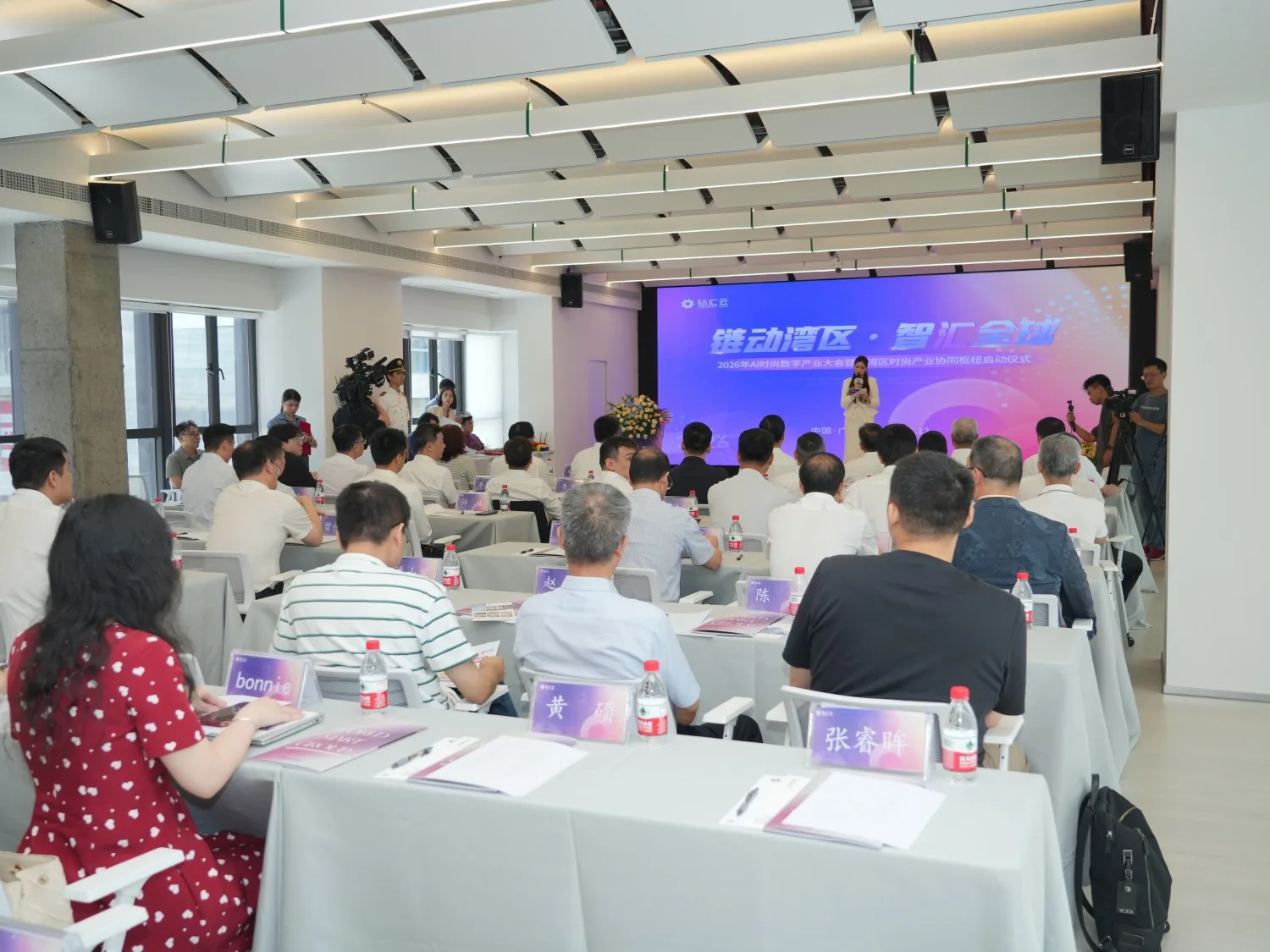
On June 12, 2026, the “Linking the Bay Area, Gathering Global Wisdom” 2026 AI Fashion Digital Industry Conference and the Launch Ceremony of the Greater Bay Area Fashion Industry Collaborative Hub were held in Shawan, Panyu. Leaders from relevant provincial and municipal departments, along with district leaders Huang Biao, Deng Yaoqi, Tang Liming, and Shi Wei, gathered with nearly 100 heads of industry associations, representatives of e-commerce platforms, and Korean designer groups to witness this important moment for the digitalization, branding, and globalization of the fashion industry in the Greater Bay Area.
“Come to Panyu – the time is right – and grow together with global fashion partners.”
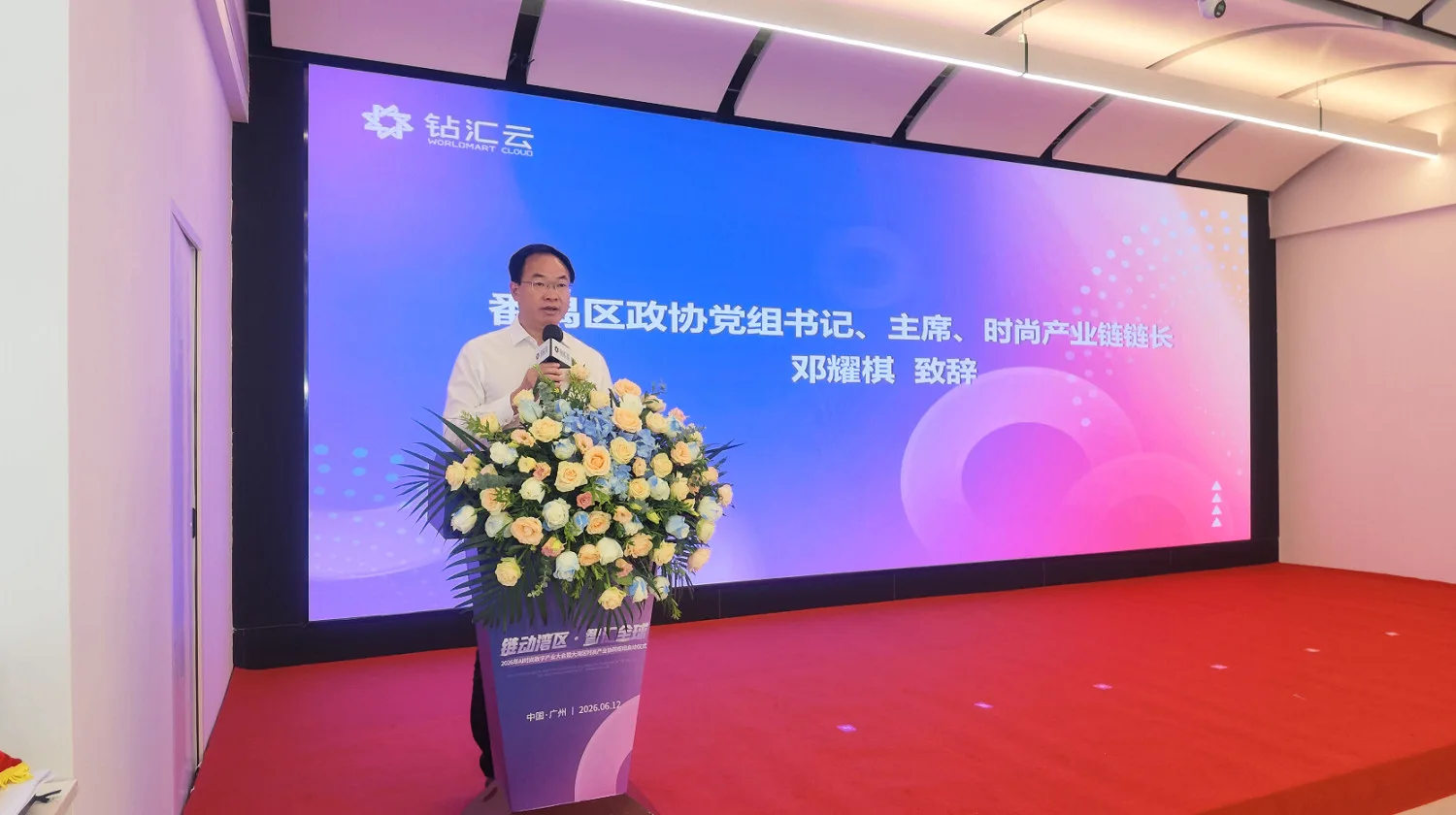
In his address, Deng Yaoqi, Chairman of the Panyu District Political Consultative Conference and Chief of the Fashion Industry Chain, pointed out that as a core engine of the fashion industry in the Greater Bay Area, Panyu has experienced rapid growth and boasts a strong industrial cluster. Currently, the district is home to over 50,000 fashion industry business entities, and has nurtured a number of globally renowned fashion brands such as Shein and Biyinlefen, forming a complete closed-loop industrial ecosystem that spans from front-end R&D, original design, and intelligent manufacturing to cross-border distribution at the terminal stage. At present, Panyu is making every effort to build a “technology + fashion” integrated development landscape, accelerating its leapfrog upgrade from “Made in Panyu” to “Created in Panyu” and “Intelligently Made in Panyu.” He noted that the launch of the Greater Bay Area Fashion Industry Collaborative Hub is precisely a strategic pivot for Panyu to seize opportunities in the digital economy and reshape the global fashion industry landscape. The Panyu District Government will fully support the construction of the Collaborative Hub, and on the spot extended an invitation: “Come to Panyu – now is the right time,” welcoming partners from the global fashion industry to settle in and co-build the hub. Panyu will continue to foster an optimal business environment, facilitate industrial digital transformation, cross-border e-commerce development, and talent attraction, and grow together with global fashion partners.
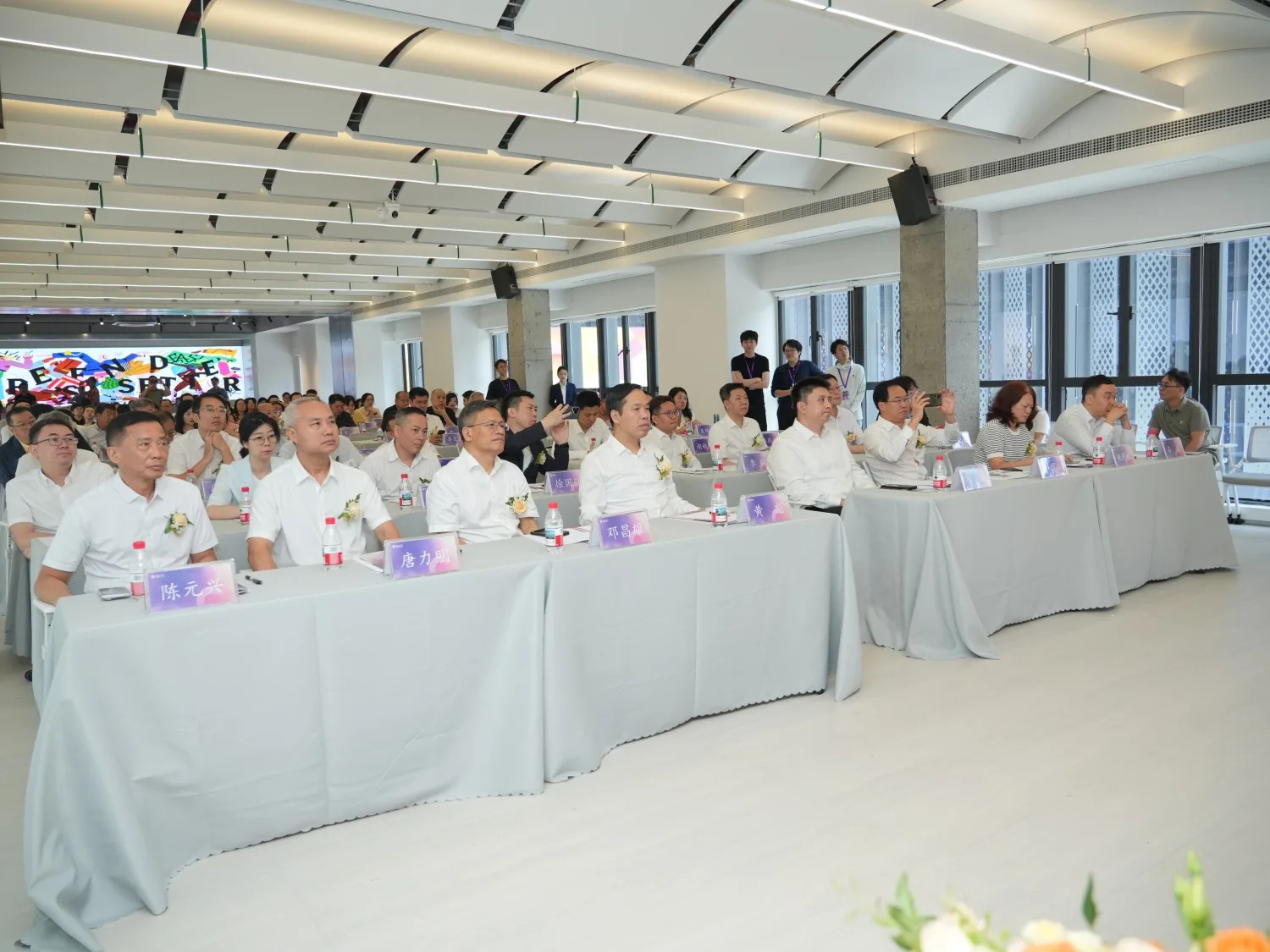
At the event, attending guests and leaders jointly inaugurated the “Linking the Bay Area, Gathering Global Wisdom” 2026 AI Fashion Digital Industry Conference and the Greater Bay Area Fashion Industry Collaborative Hub project, marking the full launch of the collaborative development ecosystem for the fashion industry in the Bay Area. During the subsequent thematic sharing session, representatives from JD.com and Amazon drew on real-life cases to answer questions and offer guidance on industrial upgrading and global expansion, helping the enterprises present gain a clear understanding of the directions for digital transformation and internationalizati
Strong alliances join forces to build a comprehensive collaborative fashion industry hub.
It is reported that the Greater Bay Area Fashion Industry Collaborative Hub, under the guidance of the China National Garment Association and anchored by the Zuanhui Cloud Digital Supply Chain Platform, is positioned as a large-scale digital industry hub that integrates industrial chain collaboration, AI technology empowerment, original design incubation, brand cultivation, cross-border trade, and comprehensive services. Drawing on the profound heritage of Guangzhou and Panyu as millennia-old commercial distribution centers, the hub is positioned as a core platform for connectivity within the Greater Bay Area’s fashion industry and a vital window to the global market. On the one hand, it deeply links industrial resources across the Guangdong–Hong Kong–Macao Greater Bay Area; on the other, it establishes deep cooperation with 64 garment industry clusters nationwide, bringing together high-quality products, original designs, and creative forces from across the country to create an inclusive, co-constructed, shared, and open industrial ecosystem. At the same time, leveraging its self-built digital integrated computing platform, the hub opens up global trade channels, with a focus on promoting brand reinvention, brand globalization, and the incubation of emerging internet-native brands. It not only promotes local specialties and original designs from Guangdong and Panyu to the rest of the country and overseas, but also introduces cutting-edge global design concepts, trendy elements, and premium resources, facilitating the two-way flow of fashion elements between domestic and international markets. The ultimate goal is to build a modern industrial paradigm of “Bay Area design, Panyu manufacturing, and global sales.”
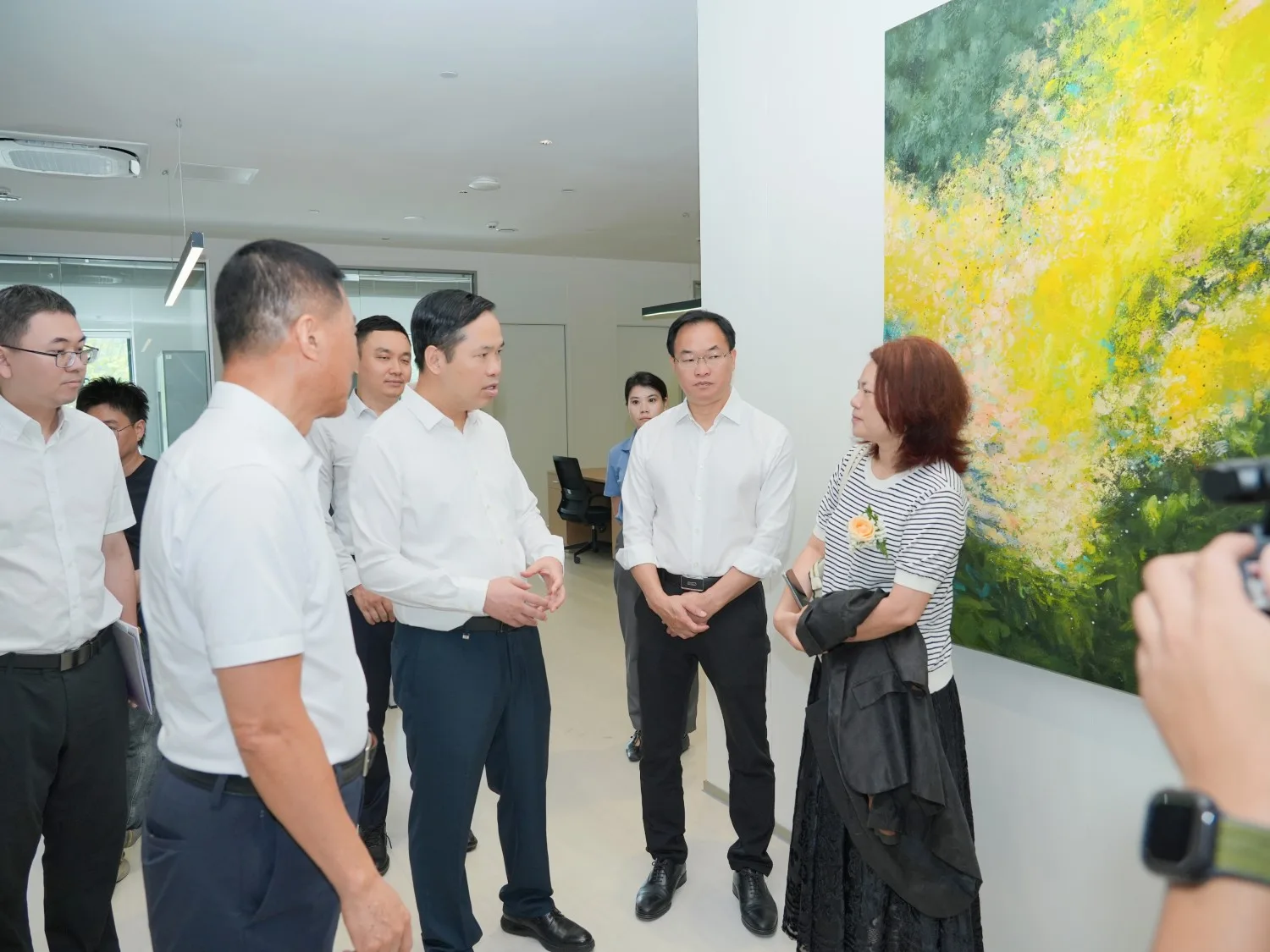
“Currently, China’s fashion industry faces practical challenges such as a complex foreign trade environment, fluctuations in raw material prices, difficulties in transformation for small and medium-sized enterprises, and insufficient efforts in cultivating independent brands. Specialized and integrated public service platforms have become an urgent industry need, and the launch of the Greater Bay Area Fashion Industry Collaborative Hub could not have come at a better time.” said Li Xin, Executive Vice President of the China National Garment Association. He added that the association will fully leverage its industry-wide resource advantages and, in partnership with the platform, continue to carry out a series of activities including supply-demand matching, product launches, technology empowerment, industry R&D, talent cultivation, and brand building. Using the development of the Greater Bay Area’s fashion industry as a model, it will radiate and drive the transformation and upgrading of the garment industry across the country, helping China steadily transition from a major garment manufacturing country to a global fashion powerhouse.
Multiple parties join forces to sign agreements, ecosystem expansion broadens cooperation and development space.
Several major signing ceremonies took place at the event. A team of original designers from South Korea officially signed an agreement to establish a presence in Panyu. In the future, they will collaborate with local Panyu designers to jointly develop new products and build emerging brands by integrating domestic cultural characteristics with market demands. Plans are also in place to bring in independent designers from Europe and other regions, gradually transforming the hub into an international highland for designer talent.
In addition, Zuanhui Cloud, China Post, and Kuaishou reached a tripartite strategic partnership. Leveraging China Post’s nationwide logistics network and live-streaming ecosystem, combined with Kuaishou’s strong e-commerce traffic and advantages in lower-tier markets, the three parties will jointly create a new “fashion to the countryside” business model, bringing high-quality fashion products from the Greater Bay Area to households across the country.
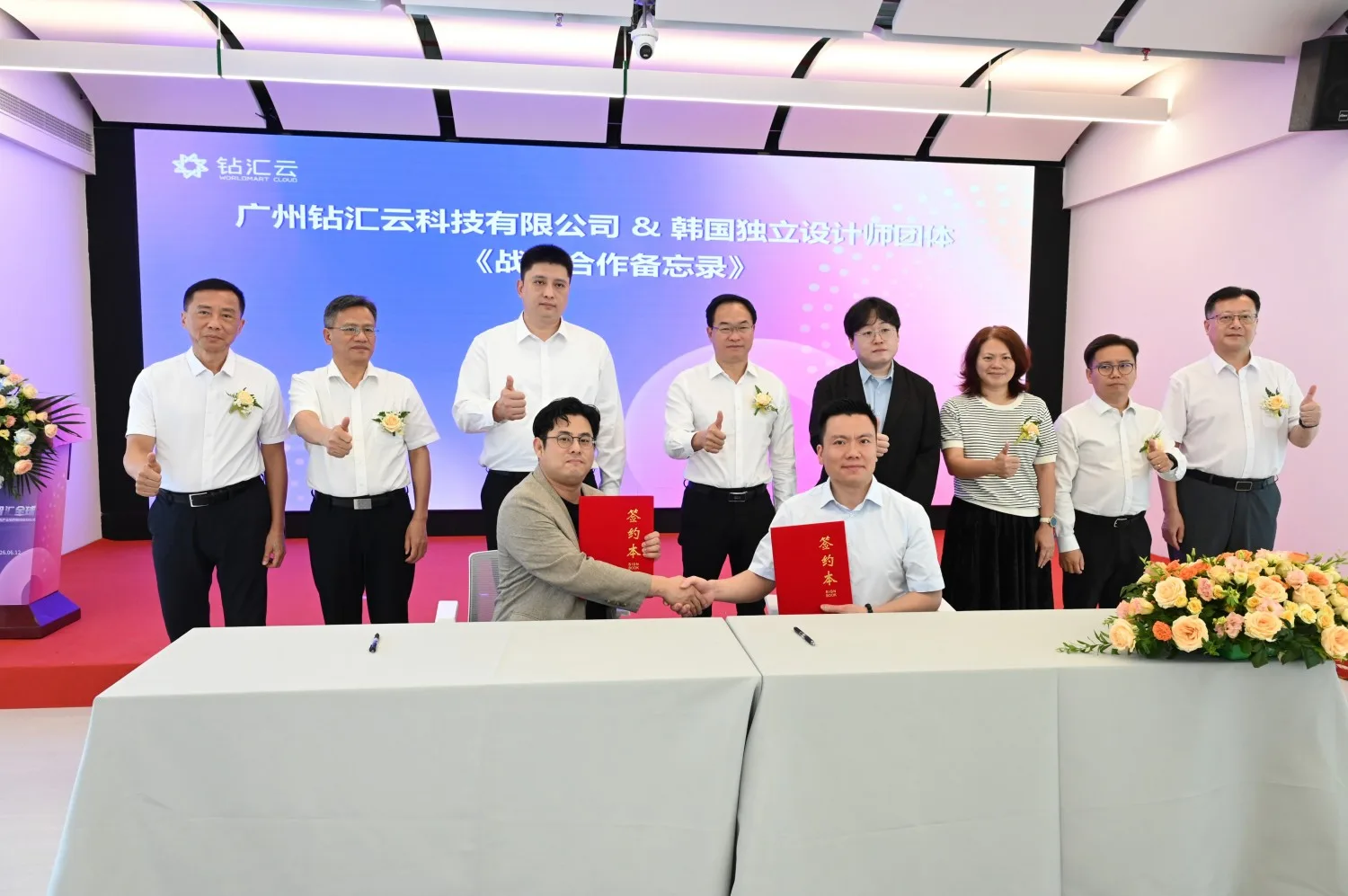
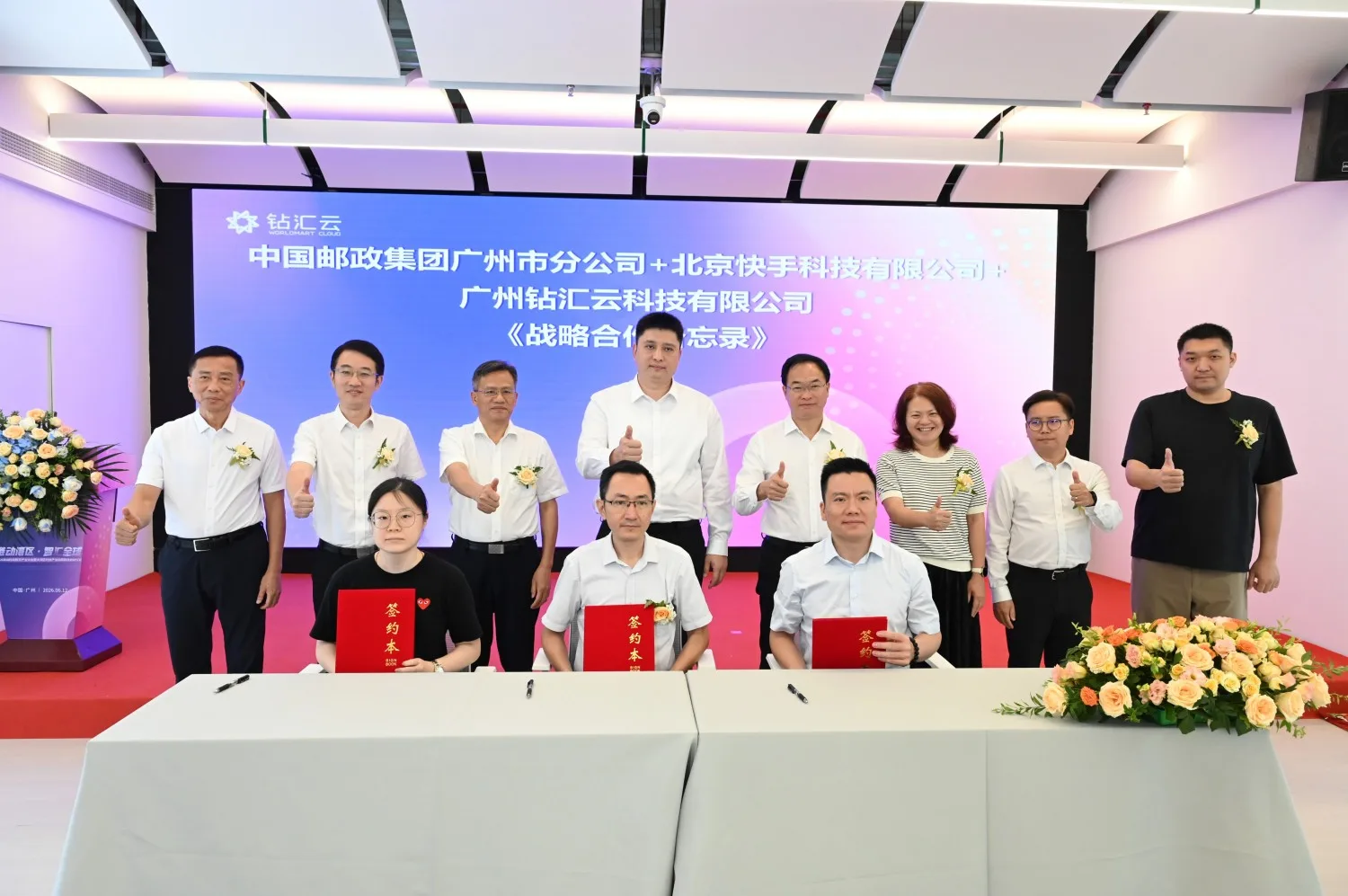
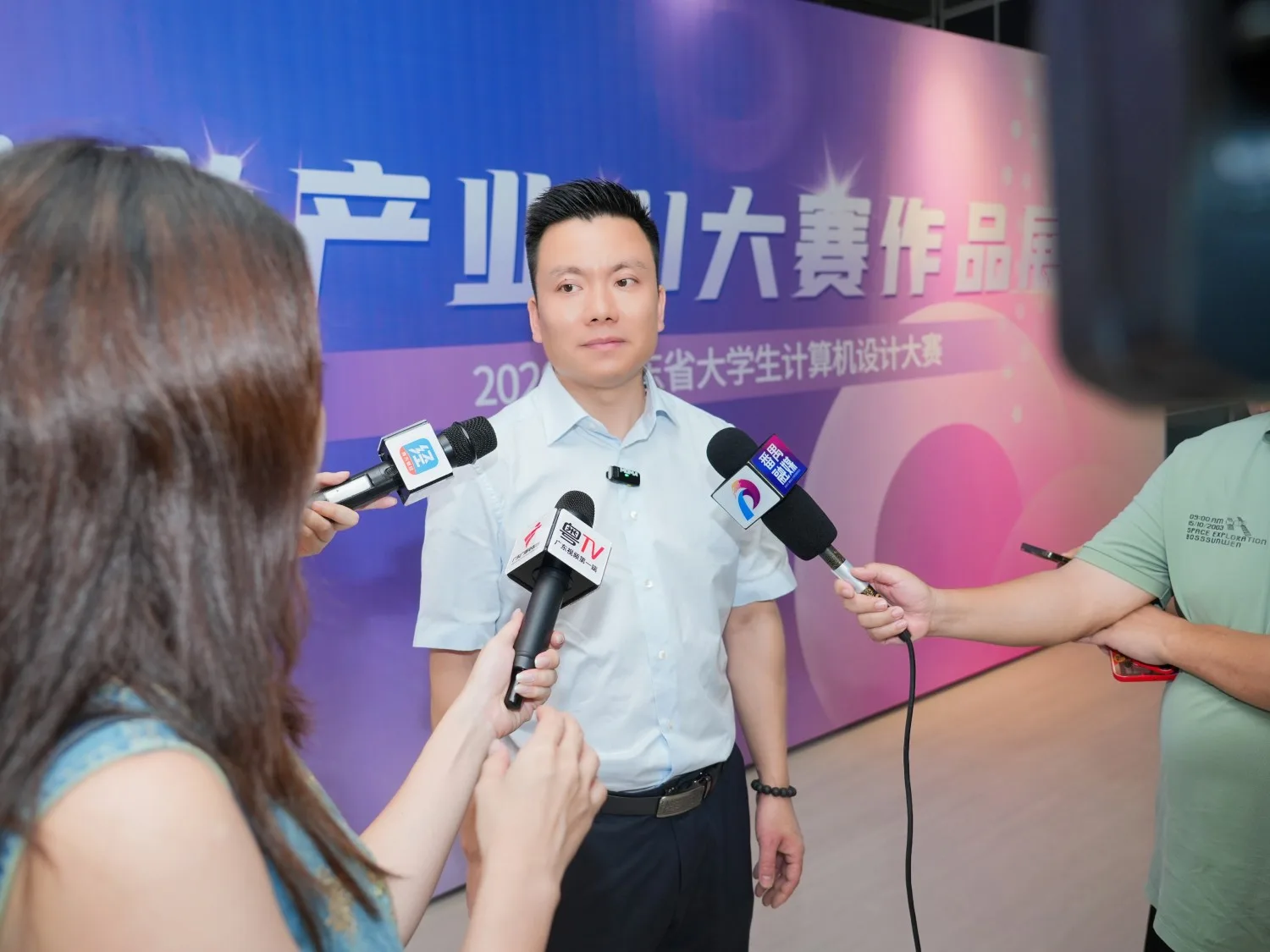
According to Chen Zhengzhou, General Manager of Zuanhui Cloud, empowering the growth of small and medium-sized enterprises is one of the core missions of the hub. In line with the current industry trend of flexible and quick-response production in the fashion sector, the platform integrates high-quality resources across the entire industrial chain, including original design and well-known brands, to help start-ups launch their operations by leveraging the mature industrial system, effectively reducing costs and improving efficiency for enterprises. Looking ahead, the hub will continue to intensify investment promotion and cooperation efforts, with plans to attract thousands of fashion enterprises from South Korea, Europe, and other regions to establish operations in Guangdong. At the same time, leveraging the China National Garment Association’s network of 64 industrial clusters nationwide, it will promote cross-regional two-way collaboration and integrated development among thousands of enterprises, continuously amplifying the effects of industrial agglomeration and synergy.
Related posts
Another Milestone Achieved! Zuanhui Fashion Industrial Park Selected as a Guangzhou Featured Benchmark Park, Leading High-Quality Industrial Development
Great news keeps coming – another honor added! After being recognized as a Guangzhou "Cross-border E...
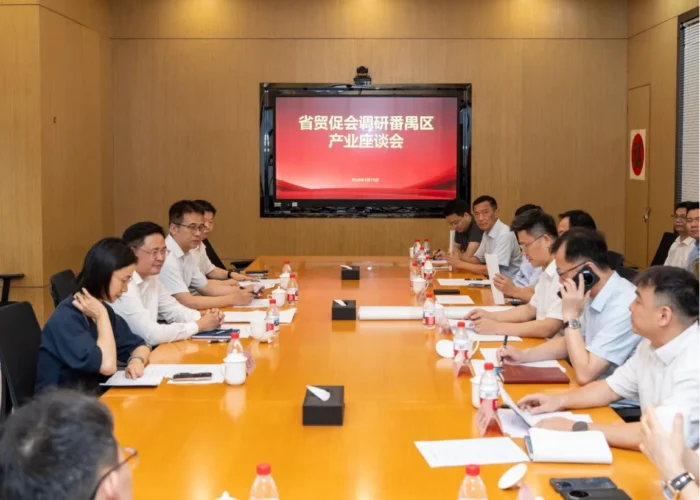
“Chen Xiaofeng, Party Secretary and Chairman of the Guangdong Council for the Promotion of International Trade (CCPIT Guangdong), Led a Delegation to Visit Zuanhui Group for Research and Guidance, Boosting the Digital-Intelligent Integrated Development of the Greater Bay Area’s Fashion Industry”
On May 15, 2026, Chen Xiaofeng, Party Secretary and Chairman of the Guangdong Council for the Promot...
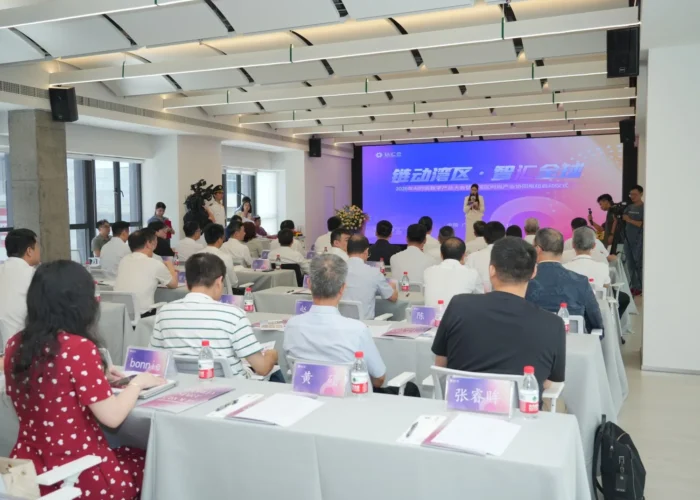
Linking the Bay Area, Gathering Global Wisdom! Greater Bay Area Fashion Industry Collaborative Hub Officially Launches in Panyu
On June 12, 2026, the "Linking the Bay Area, Gathering Global Wisdom" 2026 AI Fashion Digital Indust...